By the time springtime rolls around many folks are itching to get back into their gardens and start cleaning up in preparation for a new season of blooms. Hopefully last year’s perennials have been left standing through the winter to provide food and shelter for wildlife (and beauty for humans!). In my earlier article on Fall Chores in the Pollinator Garden I discuss the benefits of leaving the leaves and saving the stems in the fall.
Planting flowers for pollinators and other wildlife is an important first step in their conservation, but how you maintain your garden after planting has an impact on the benefits it provides. Most people primarily focus on gardening from spring through fall and don’t think about the off-season but the availability of nesting and overwintering habitat has a huge impact on the populations of pollinators and other insects.
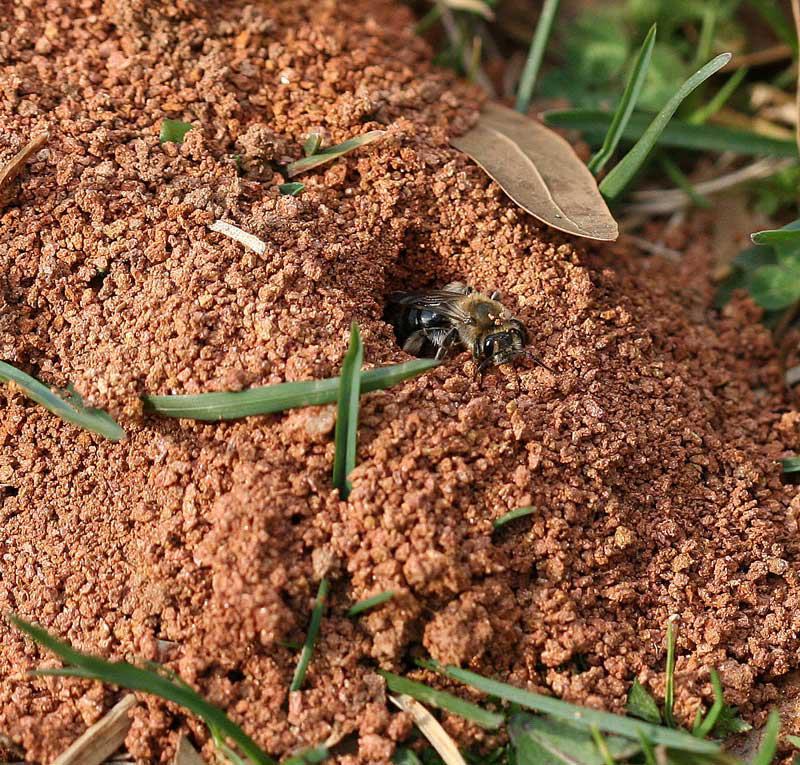
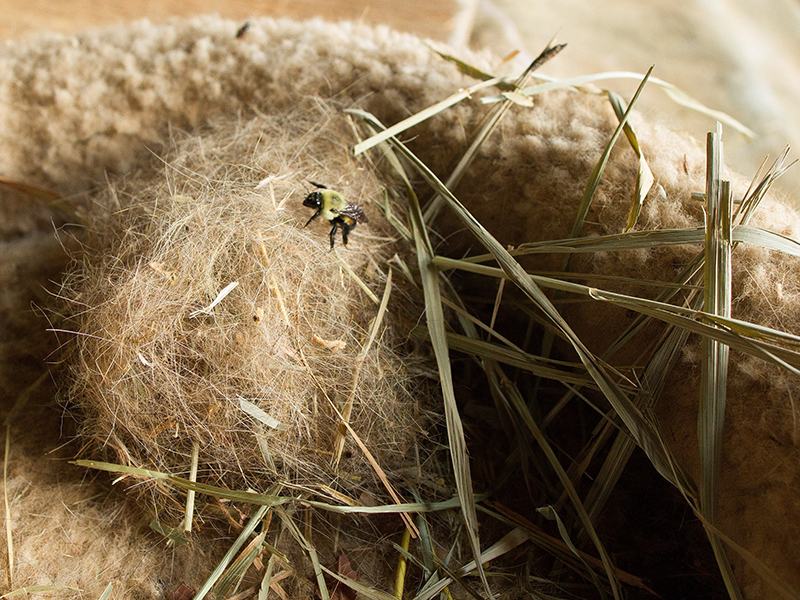
In North Carolina, we have about 560 species of native bees, most of them solitary. Solitary bees select and modify nesting sites and collect pollen to provision the nest on their own. About 75% of these bees nest in tunnels that they construct in the ground. About 25% of North Carolina native bees nest in cavities. Solitary species will nest in cavities in plant stems and wood (often in tunnels made by other insects such as beetles). Social bees such as bumble bees will nest in larger cavities like abandoned rodent burrows and even human-made structures like brush piles, rock piles, bluebird houses, and watering cans!
A recent NC State Extension publication provides details on North Carolina’s stem- and wood-nesting bees. These bees fit under three families:
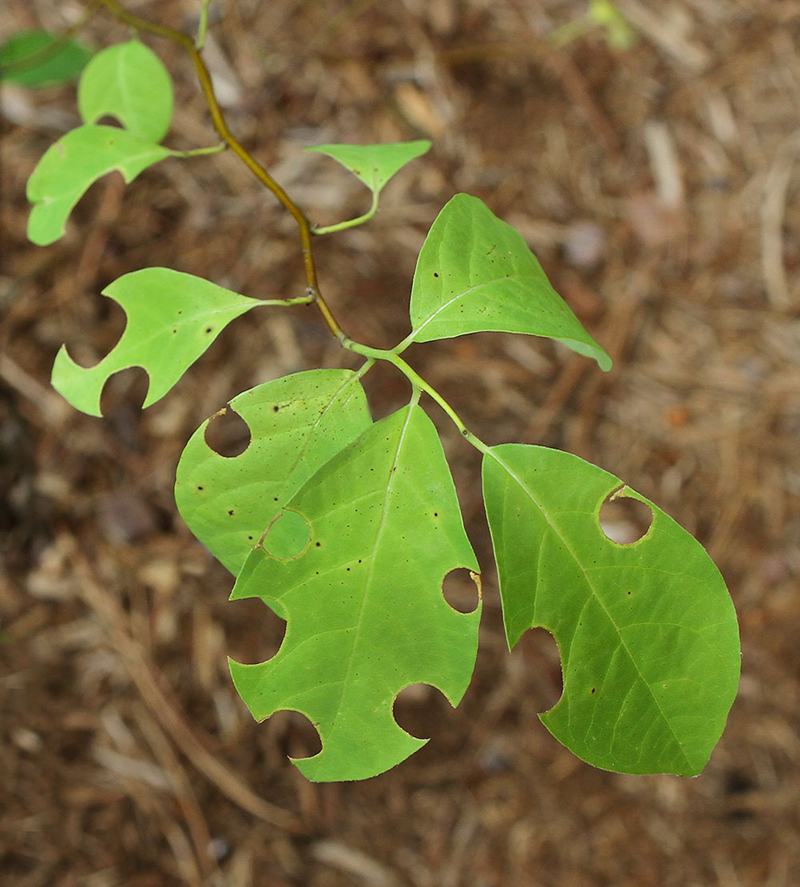
Family Megachilidae – includes mason bees (22 species in North Carolina), leafcutting bees (37 species in North Carolina, but some nest in cavities or soil), resin bees (10 species in North Carolina), wool carder bees (three species in North Carolina, two of which are introduced). This family also includes 23 species of cuckoo bees which are kleptoparasites, laying their eggs in other bees’ nests!
Family Colletidae – includes yellow-faced bees (13 species in North Carolina) and also cellophane bees (25 species in North Carolina) which nest in the ground.
Family Apidae – includes small carpenter bees (six species in North Carolina) which nest in stems with a soft, pithy center where they can hollow out the stem and use the excavated plant material to build their nest. The Apidae family also includes bumble bees, honey bees, and large carpenter bees, but most of these do not nest in plant stems (large carpenter bees will sometimes create nests in larger pithy stems).
Another NC State Extension publication, The Bees of North Carolina: an Identification Guide, provides details on all the native bees of the state with excellent photos and helpful ID tips.
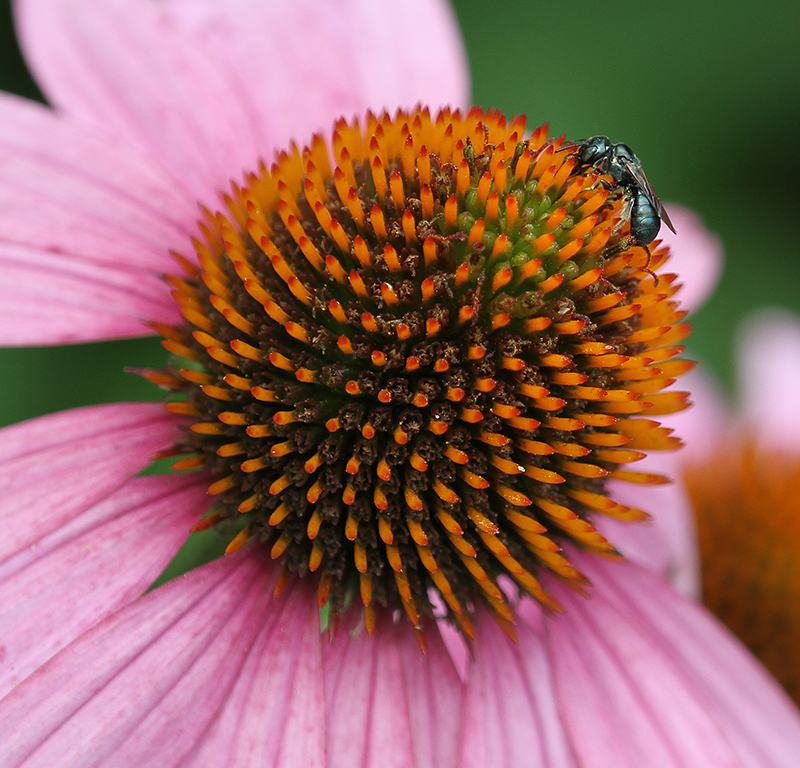
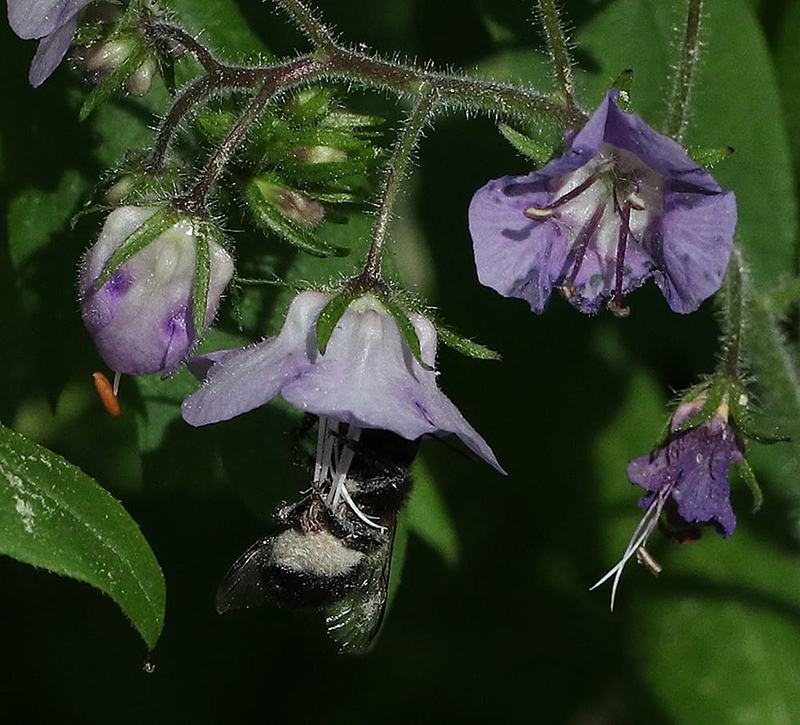
Other insects and arthropods besides bees will also seek out hollow plant stems for nesting and overwintering, including solitary wasps, stem-boring moths, earwigs, spiders, and other insects.
If you really want to help provide habitat for bees and other pollinators, then it’s important to think beyond flowers and include nesting and overwintering habitat in your garden and landscape.
Since approximately 100 species of bees in North Carolina nest in stems and wood, it’s helpful to understand a little about their life cycle to be able to provide what they need through stem management in the garden. How and when you cut back your plants can have an impact on our stem nesting bees.General Life Cycle of Stem Nesting Bees
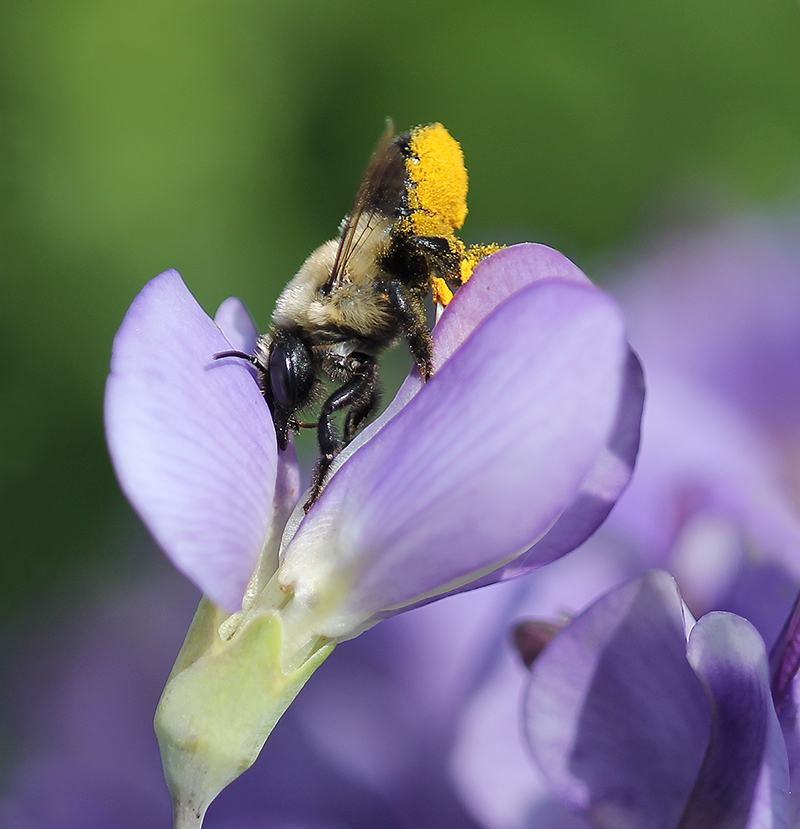
Stem-nesting bees start emerging from their overwintering nests in the spring, and each family has its own timetable for emergence. The earliest emerging stem-nesting bees are the mason bees which start emerging in early March. Small resin bees (Heriades and Hoplitis spp.) start emerging in April. Leafcutter bees (Megachile spp.), yellow-faced bees (Hylaeus spp.), and carder bees (Anthidium spp.) usually start emerging in May. These are rough estimates that are dependent on the weather – I saw my first leafcutter bee in mid-April this year, foraging on wild indigo.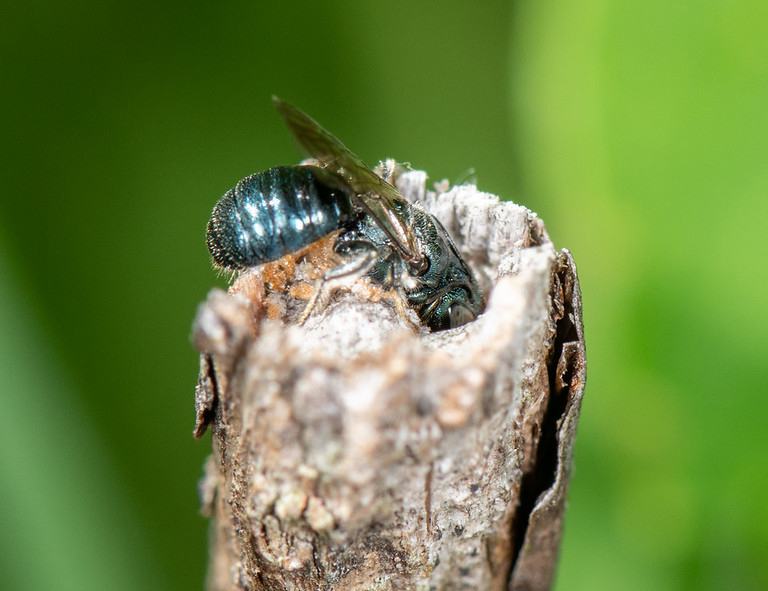
Timing of Plant Cut-Back
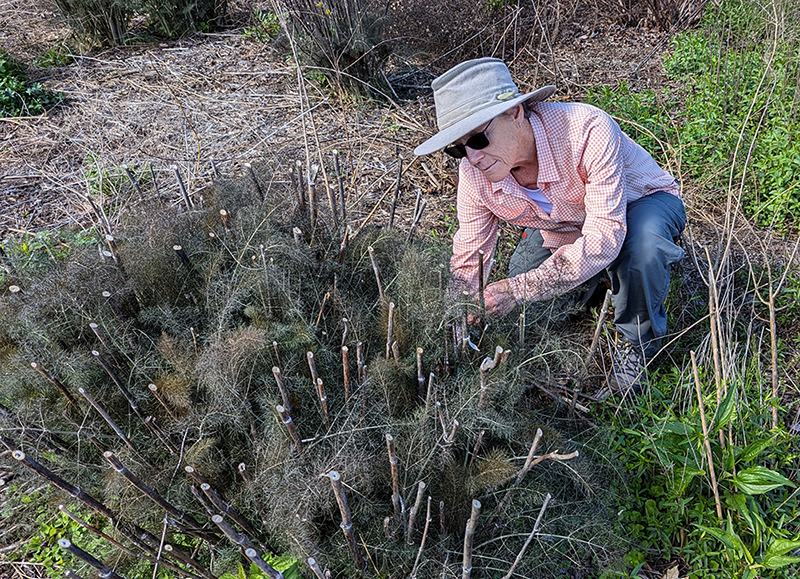
All the plants from the previous year were left intact all through the winter, as is. This provides a beautiful landscape of dried seedheads, stems, and grasses through the winter and more importantly, food and shelter for pollinators and other wildlife.I wait until late winter/early spring (late February/March) to start cutting plants back. I aim to have at least some stems cut back by early March when our earliest emerging stem-nesting bees, the mason bees, start looking for nesting sites.
I have learned from experience that there are at least a couple of species that benefit from fall cutback: the very tall and very stout-stemmed cup plant (Silphium perfoliatum) and field thistle (Cirsium discolor). Because their stems are so heavy they can get blown over in the winter, especially if we get a little snow or rain-saturated soils, so these are examples of species that would benefit from being cut back in the late fall after the birds have feasted on their seeds.
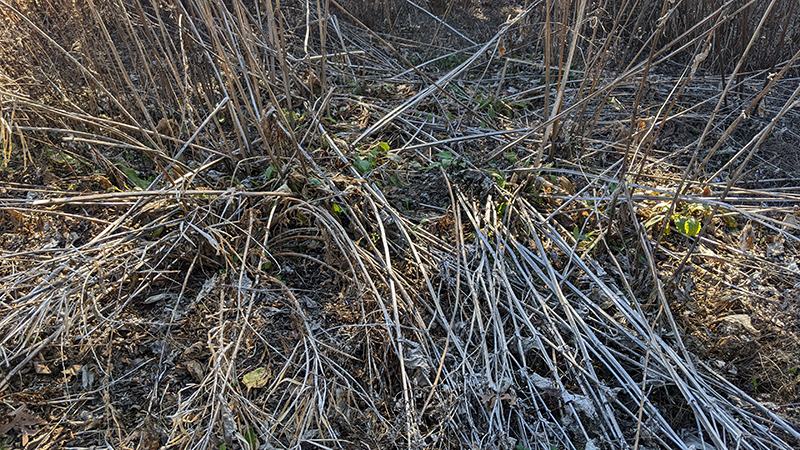
Because I manage a large garden, we can still be cutting plants back well into April. That’s okay since many species like leafcutting bees, yellow-faced bees, and wool carder bees have probably not emerged yet from their winter nest but ideally I aim to have most of the cut-back completed by early April so that nesting sites are available to any emerging bees. This doesn't always happen because sometimes we get diverted by other tasks such as weeding!
How and What to Cut Back
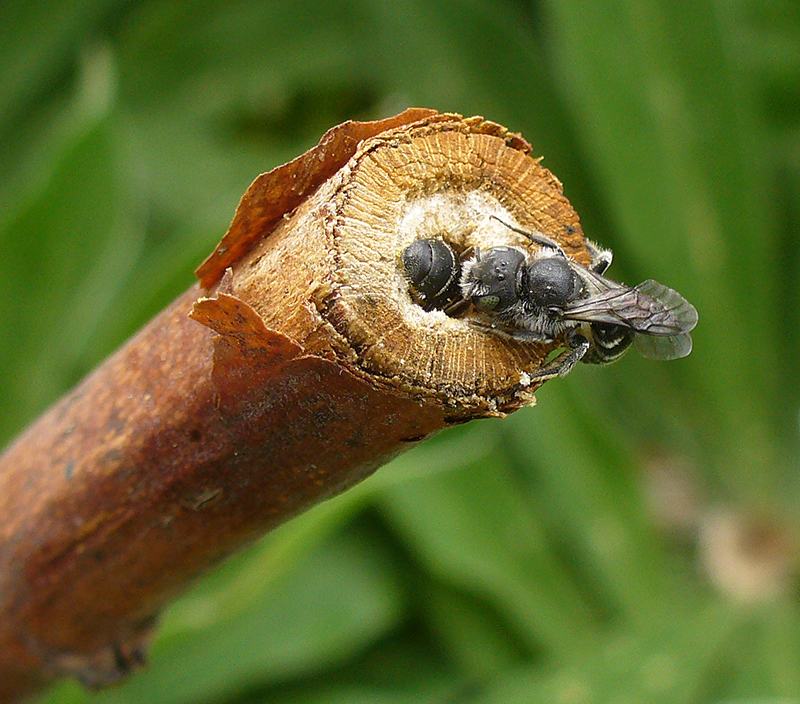
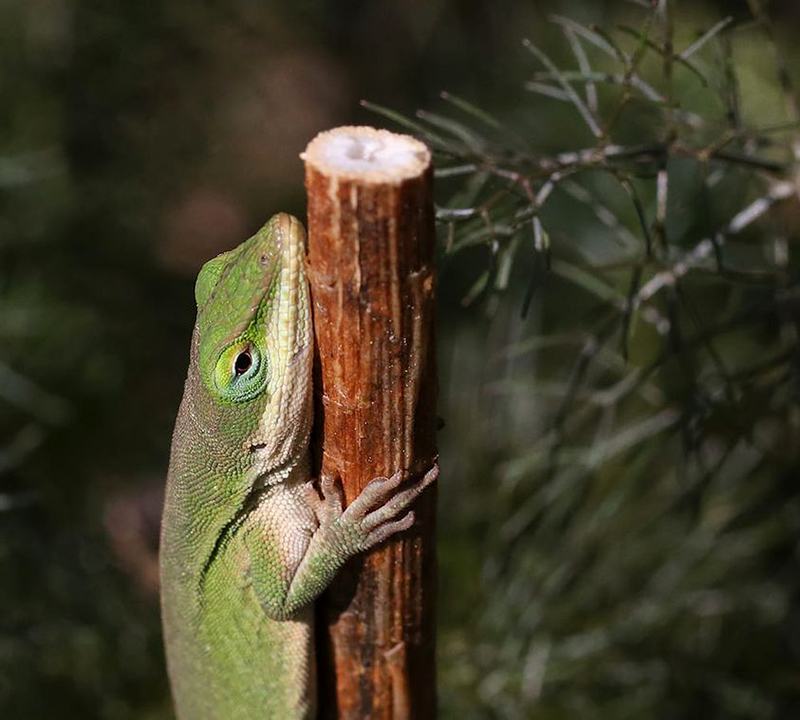
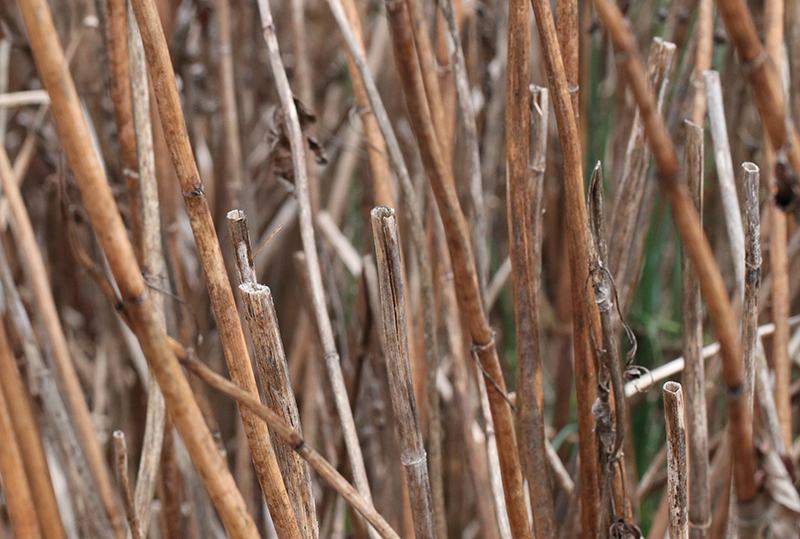
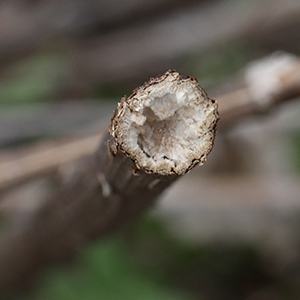
Because we don’t yet know all the species that are attractive to our stem nesting bees, I find it easiest to cut everything back so that it could be a potential nesting site. We cut plant stems back to a height of 8-24 inches. Most stem-nesting insects require hollow stems, but a few species of bees can utilize pithy stems which have a soft center that can be hollowed out by the bee. Only a few types of bees are capable of doing this (carpenter bees, some leafcutter bees, small resin bees) – most species require a stem that is already hollow.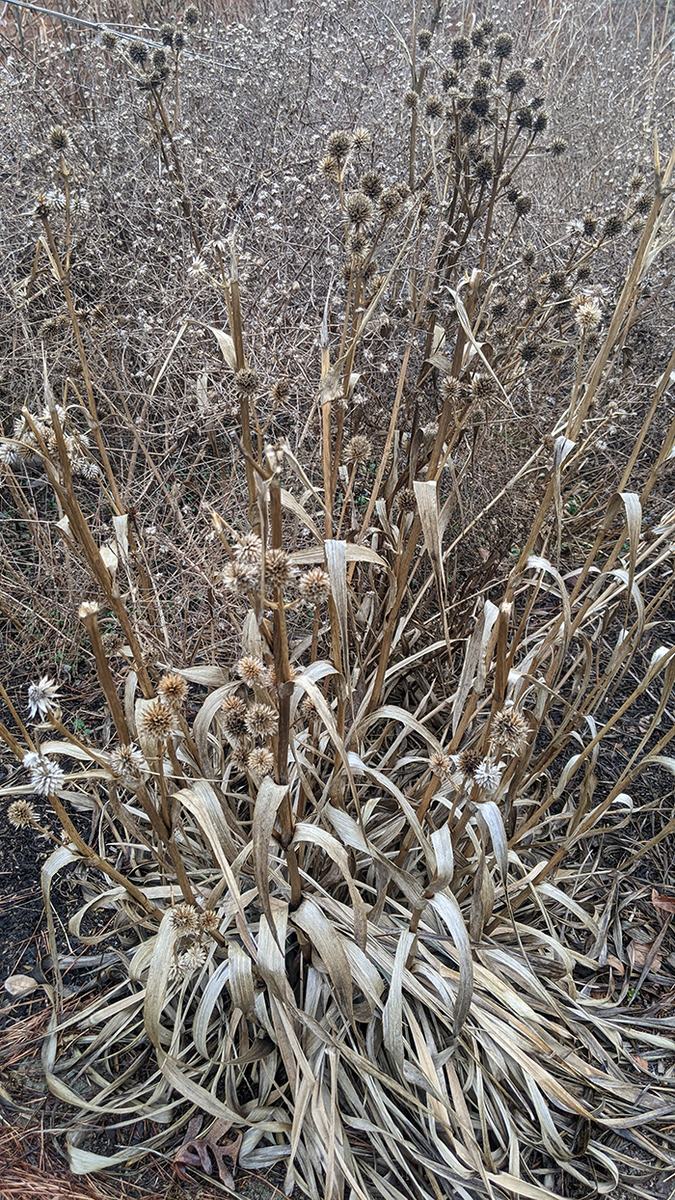
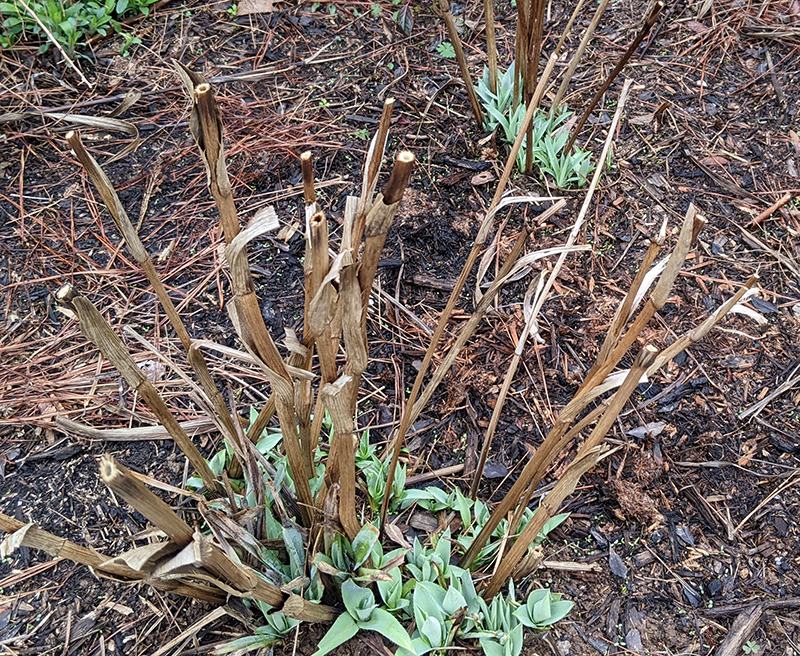
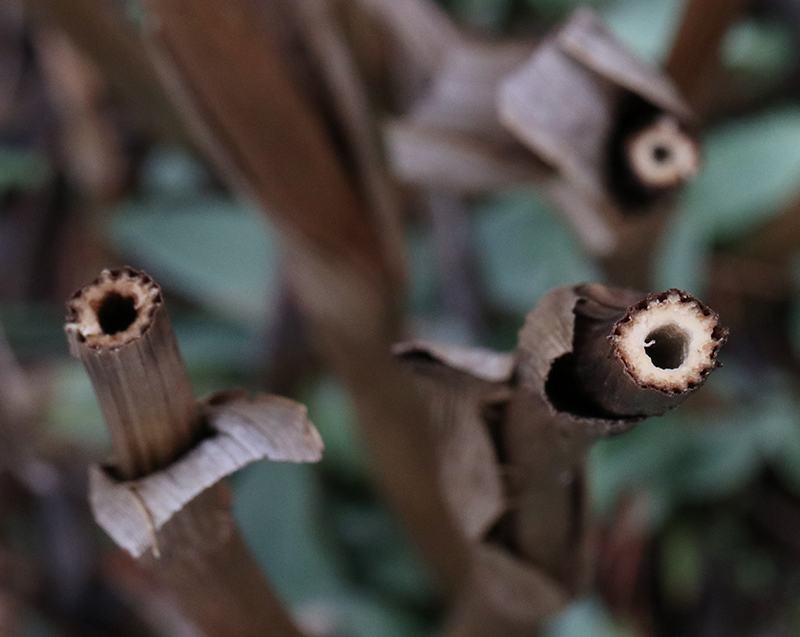
Once you cut the stems back, that’s it, your work is done! The cut stems may or may not provide nesting sites for bees but in any event they will eventually naturally decompose in the garden. By early summer the stems you just cut will be camouflaged by the new growth of the plant.
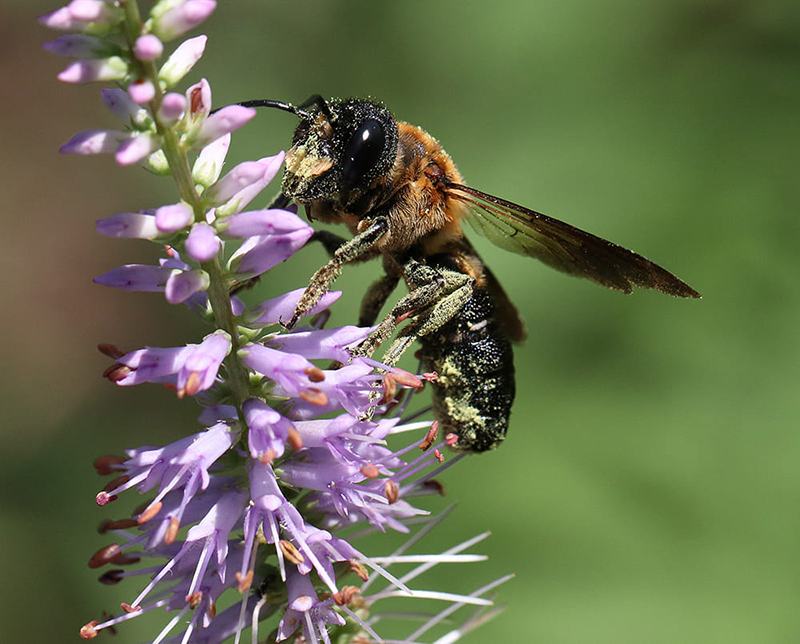
My Pollinator Paradise Garden in Pittsboro has over 225 different species of plants. This includes trees, shrubs, herbaceous perennials, vines, and grasses of all different sizes. This diversity is helpful because the body size of stem-nesting bees ranges from 3-25 mm (1/10-1 inch) depending on the species. Different size bees require different size stems so it’s good to have stems ranging from 2-15 mm (1/8-5/8 inch) in diameter for them to nest in. Fun fact: the largest stem nesting bee in North Carolina is the giant resin bee, a non-native Megachilid bee that was accidentally introduced to the U.S. in 1994.
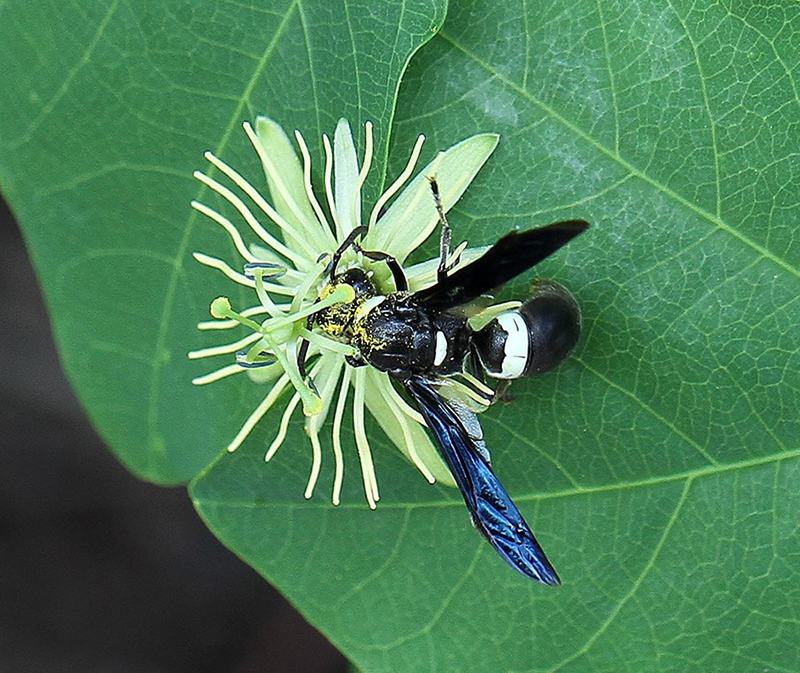
Having stems that range in diameter from 1/8-5/8 inch will also accommodate the solitary wasp species that nest in plant stems. Species such as grass-carrying wasps, potter wasps, mason wasps, and square-headed wasps help with pollination and also pest control as they provision their nests with caterpillars, grasshoppers, and other insects to rear their young.
North Carolina State University is currently conducting a research study looking at how garden management practices can impact bee nesting, by studying which species of bees utilize which species of plants and when they emerge. The study is conducted by Extension Master Gardener Volunteers in several counties under the project leadership of Elsa Youngsteadt and Hannah Levenson at NC State. My Pollinator Paradise Garden is one of the research sites.
Some Plants with Hollow Stems
 |
Anise hyssop Agastache foeniculum |
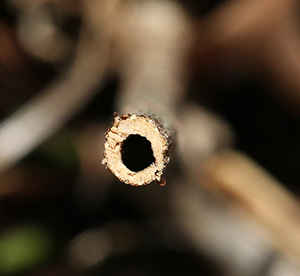 |
Bluestar Amsonia spp. |
 |
Tall anemone Anemone virginiana |
 |
Milkweed Asclepias spp. |
 |
Wild indigo Baptisia spp. Hollow stems but they usually break off before bees can nest in them |
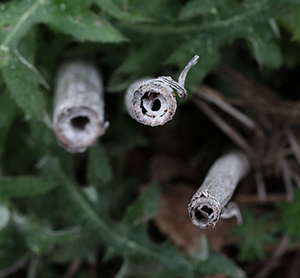 |
Field thistle Cirsium discolor |
 |
Tall tickseed Coreopsis tripteris |
 |
Rattlesnake master Eryngium yuccifolium |
 |
Joe-pye weed Eutrochium dubium |
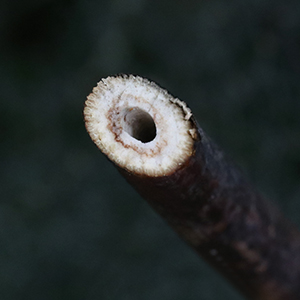 |
Bronze fennel Foeniculum rubrum |
 |
Red rose mallow Hibiscus coccineus |
 |
Seashore mallow Kosteletzkya virginica |
 |
Cardinal flower Lobelia cardinalis |
 |
Bee balm Monarda fistulosa |
 |
Pink muhly grass Muhlenbergia capillaris |
 |
Switchgrass Panicum virgatum |
 |
Carolina phlox Phlox carolina Some stems are pithy |
 |
Orange coneflower Rudbeckia fulgida Some stems are pithy |
 |
Stonecrop Sedum spp. |
 |
Cup plant Silphium perfoliatum Some stems are pithy |
 |
Skunk meadowrue Thalictrum revolutum |
 |
Carolina lupine Thermopsis villosa |
 |
Culver's root Veronicastrum virginicum |
 |
Golden alexander Zizia aurea |
Some Plants with Pithy Stems
 |
Purple coneflower |
Echinacea purpurea
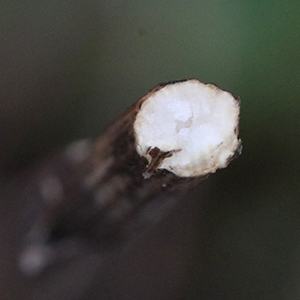
Heliopsis helianthoides
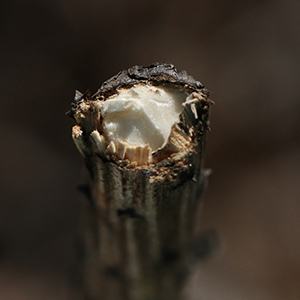
Liatris spp.
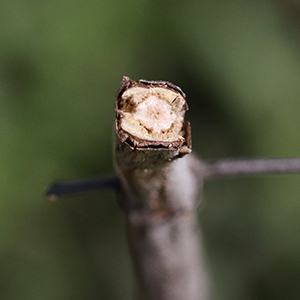
Monarda punctata
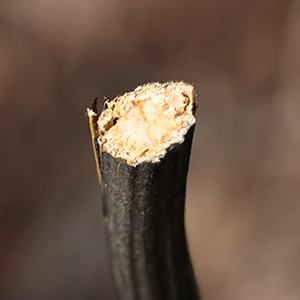
Parthenium integrifolium
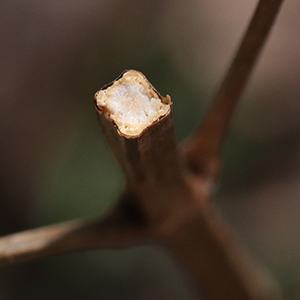
Physostegia virginiana
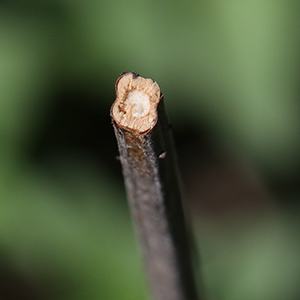
Pycnanthemum spp.
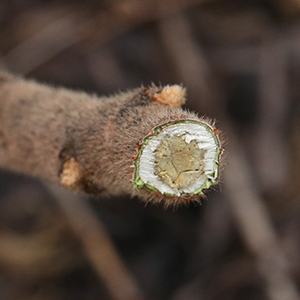
Rhus typhina
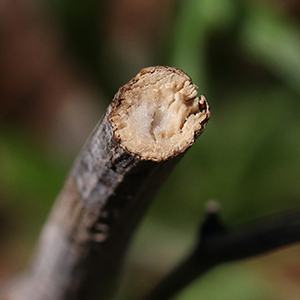
Rudbeckia laciniata
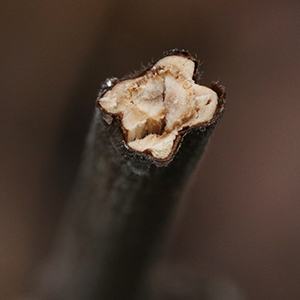
Scutelleria incana
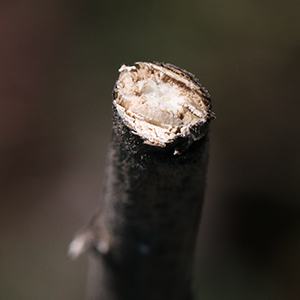
Solidago spp.
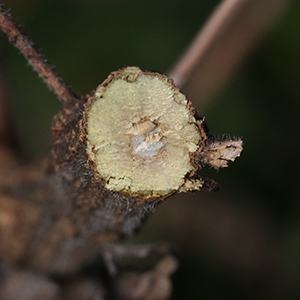
Symphyotrichum spp.
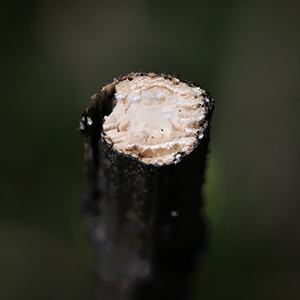
Verbesina occidentalis
Resources for Further Learning
- Pollinator Paradise Demonstration Garden – NC State Extension
- Fall Chores in the Pollinator Garden – NC State Extension
- Spring Chores in the Pollinator Garden - NC State Extension
- The Bees of North Carolina: an Identification Guide – NC State Extension
- How to Manage a Successful Bee Hotel – NC State Extension
- How to Manage a Successful Bee Hotel: Meet the Residents – NC State Extension
- Growing Knowledge to Protect Pollinators – NC State Extension
- Nesting and Overwintering Habitat for Pollinators and Other Beneficial Insects – Xerces Society
- Nesting Resources – Xerces Society
- Sam Droege Phenology of Bee Genera for mid-Atlantic States